
Buy Pashmina Online Safely: A Buyer’s Guide
Quick answer: Yes, you can buy pashmina online safely — but only if you verify three things first: that the material is genuine cashmere from the changthangi goat (not viscose or “pashmina blend”), that the seller can show sourcing or GI-tag information, and that the price isn’t implausibly low for hand-spun, hand-woven work. A real pashmina shawl typically starts in the low hundreds of dollars and rises sharply with embroidery and weave complexity.
Buying a pashmina shawl online can feel like a gamble. The word “pashmina” isn’t legally protected everywhere, so it gets stamped on everything from genuine hand-spun cashmere to machine-made polyester blends that will pill within a season. If you’re about to buy pashmina online, the goal isn’t just finding a pretty shawl — it’s finding one that’s actually pashmina.
This guide walks through what real pashmina is, how to verify it before you buy, what it should reasonably cost, and how to choose between the traditional weave and more contemporary options — so you can shop pashmina shawls online without second-guessing your order.
Browse Verified Pashmina Shawls
Table of Contents
What Real Pashmina Actually Is
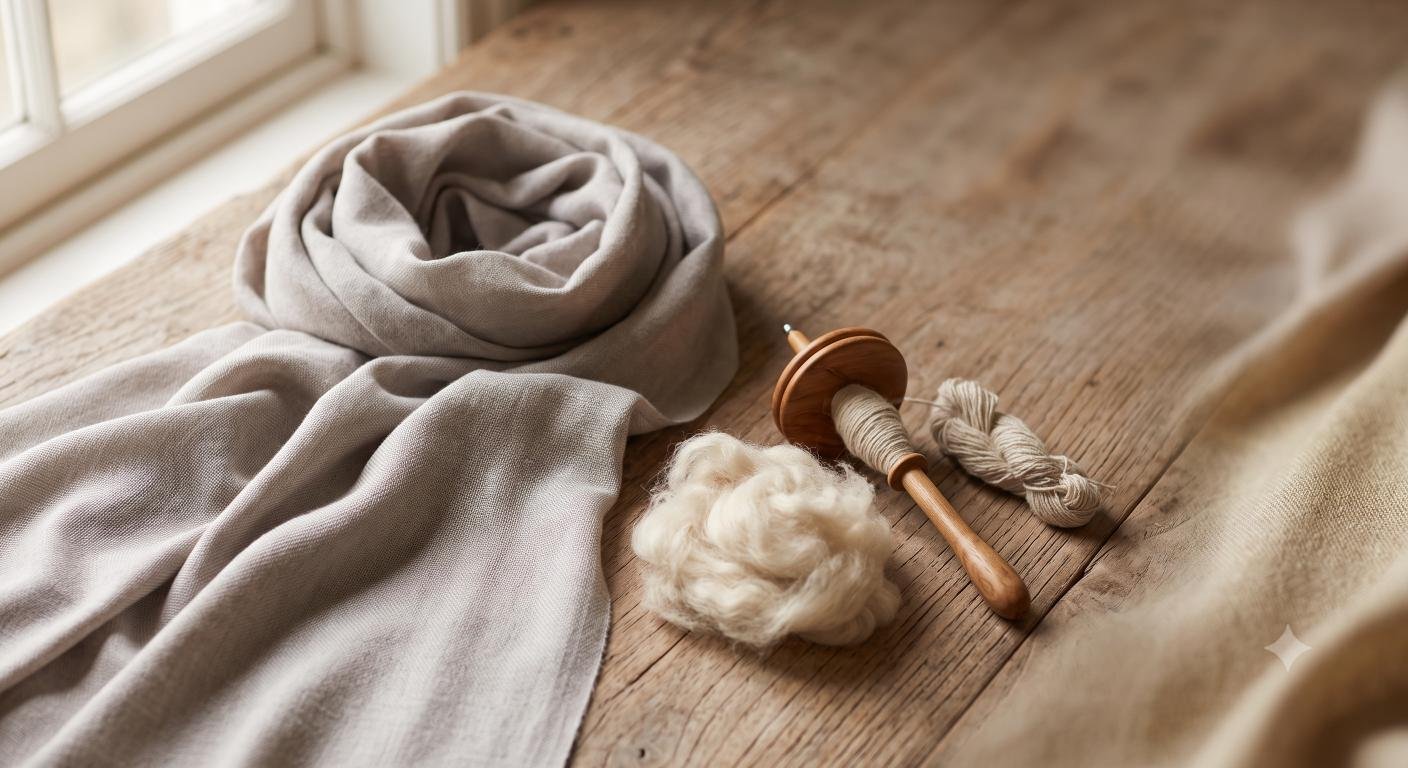
Pashmina refers specifically to fine cashmere wool combed — not shorn — from the undercoat of the changthangi goat, raised in the high-altitude cold of Ladakh and parts of Central Asia. The fiber is exceptionally fine, generally in the range of 12–16 microns, which is what gives genuine pashmina its characteristic softness and warmth-to-weight ratio
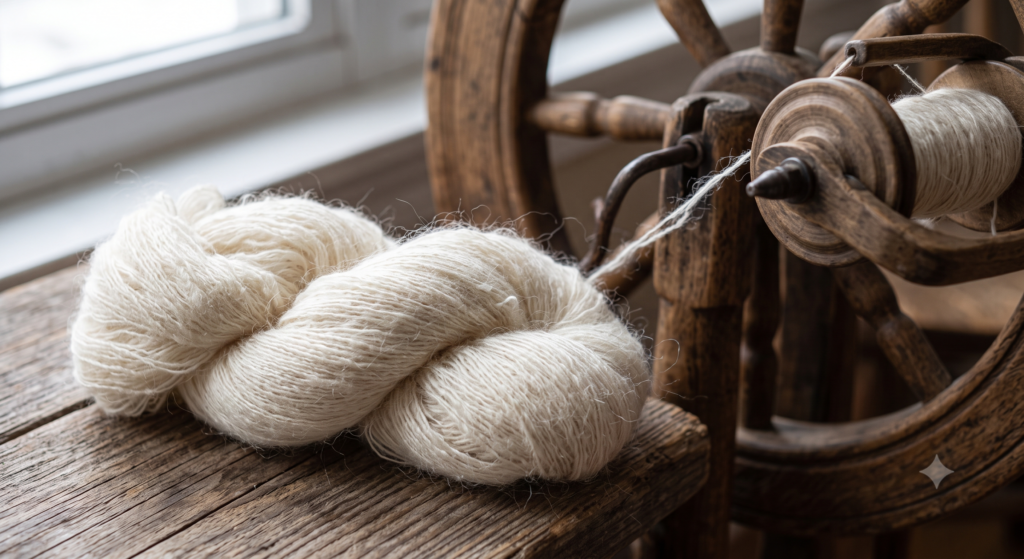
That raw fiber is then hand-spun and hand-woven, historically in Kashmir, into the shawls sold under the pashmina name. This is labor-intensive: a single fine shawl can take weeks on a traditional handloom. That labor is exactly why genuine pashmina cannot be sold at fast-fashion prices — and why price is one of the clearest early signals of authenticity.
Pashmina vs. cashmere — what’s the actual difference? All pashmina is cashmere, but not all cashmere is pashmina. “Cashmere” is a broader category that includes coarser fibers and machine processing. Pashmina specifically implies the finer fiber grade, hand-spinning, and traditional weaving associated with Kashmiri craft. If you’re comparing a cashmere wrap to a pashmina shawl, expect the pashmina to be lighter, finer, and priced higher for equivalent size.
Insider tip: Genuine pashmina has a soft, slightly uneven hand-feel — machine-spun imitations tend to feel almost too smooth and uniform. If a shawl feels perfectly consistent edge to edge, ask the seller directly what percentage of the fiber is pashmina versus silk or synthetic blend.
How to Verify Authenticity Before You Buy Pashmina Online
Because you can’t touch the fabric before ordering, verification online has to happen through documentation and seller transparency rather than touch tests alone. Look for:
- GI tag disclosure. Kashmir Pashmina carries a Geographical Indication certification intended to distinguish genuine hand-spun, hand-woven Kashmiri pashmina from imitations. A seller who can reference this — or provide a certificate — is signaling traceability.
- Material disclosure, not just marketing copy. “100% pashmina” should be stated plainly, not buried under “pashmina-style” or “pashmina blend,” which usually means a mix with silk, viscose, or synthetic fiber.
- Weight and weave detail. Genuine hand-woven shawls vary slightly in weight and weave density piece to piece — sellers who list precise fiber content and weave type (twill vs. plain) tend to be more trustworthy than generic listings.
- Return and inspection policy. A seller confident in authenticity will typically allow inspection returns; extremely restrictive no-return policies on a “genuine handmade” item are worth questioning.
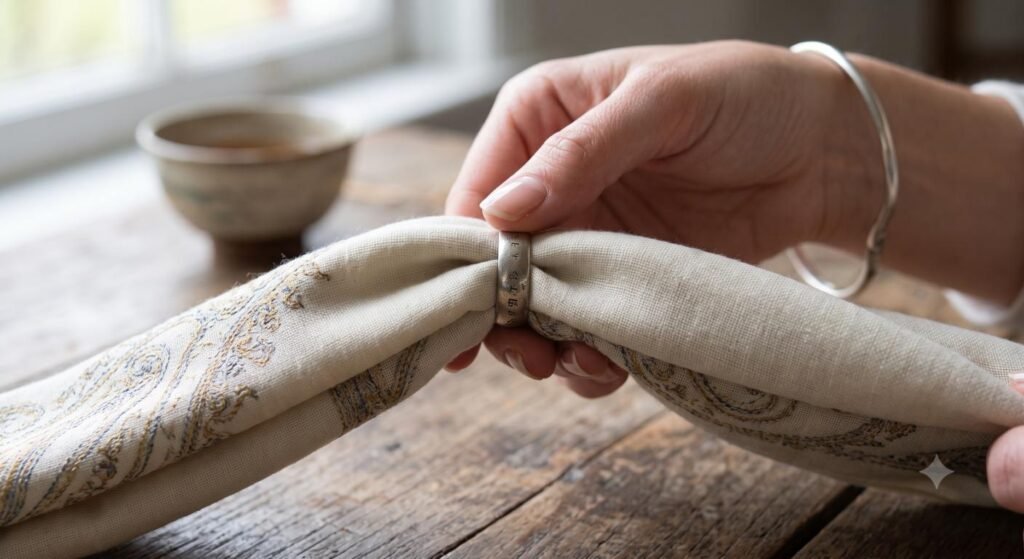
A simple at-home check once the shawl arrives: the classic ring test, where a genuine fine pashmina shawl can be pulled through a ring due to its lightness and fineness, is a commonly cited (though not fully definitive) indicator — coarser or blended shawls typically won’t pass it as easily
What Shapes the Price When You Buy Pashmina Online
Pricing for genuine pashmina varies widely based on size, weave, and embroidery — which is why “why is real pashmina so expensive” is one of the most common questions buyers have before ordering.
| Type | Typical Price Range (USD)* |
|---|---|
| Plain, undyed pashmina stole | $150 – $300 |
| Dyed, solid-color pashmina shawl | $200 – $450 |
| Hand-embroidered (Sozni) pashmina | $400 – $1,200+ |
| Kani-weave pashmina shawl | $600 – $2,000+ |
*Typical ranges only — actual pricing depends on size, embroidery density, dye process, and individual artisan pricing.
If a “100% pashmina” shawl is listed well below the low end of these ranges, that’s usually the clearest red flag you’ll get before the item even arrives. Hand-spinning and hand-weaving simply cannot be produced at mass-market cost.+-
Choosing the Right Pashmina for You
By use:
- Everyday warmth: a plain or lightly dyed stole in a neutral tone offers versatility without the cost of embroidery.
- Gifting or occasion wear: a Sozni-embroidered shawl reads as a more considered gift and holds visual value even at a smaller size.
- Investment piece / heirloom: a Kani-weave shawl, with its intricate woven (not embroidered) patterning, represents the most labor-intensive and traditionally valuable tier.
By size: Standard pashmina shawls generally run in the range of 28×80 inches for a stole up to larger wrap sizes; larger sizes generally cost more due to fiber quantity alone, independent of embroidery
Care note (an honest caveat, not a footnote): Genuine pashmina should be dry cleaned or hand-washed with extreme care — machine washing or harsh detergent can felt or damage the fiber permanently. If a seller doesn’t mention care instructions at all, ask before buying.
Frequently Asked Questions
Is it safe to buy pashmina online? Yes, as long as the seller discloses material content clearly, references GI certification or sourcing information, and offers a reasonable return policy. Avoid listings with vague “pashmina-style” wording or prices well below typical hand-woven ranges.
How can you tell if a pashmina is real? Genuine pashmina is hand-spun from fine cashmere fiber, feels slightly irregular rather than machine-uniform, and is priced accordingly. The ring test is a commonly used at-home indicator, though it isn’t fully conclusive on its own — seller documentation matters more when buying online.
What is the difference between pashmina and cashmere? Pashmina is a specific, finer-grade type of cashmere that is traditionally hand-spun and hand-woven in the Kashmir region. All pashmina is cashmere, but not all cashmere products qualify as pashmina.
Why is real pashmina so expensive? The fiber is hand-combed from a limited seasonal undercoat, then hand-spun and hand-woven, often over several weeks per piece. That labor — not brand markup — is the primary driver of genuine pashmina pricing.
Can pashmina shawls be washed at home? Careful hand-washing with a mild, pH-neutral detergent is generally possible, but dry cleaning is the safer default, especially for embroidered pieces. Machine washing is not recommended.
Is GI-certified pashmina worth paying more for? GI certification exists specifically to distinguish genuine Kashmiri hand-made pashmina from imitations, so for buyers prioritizing authenticity and craft provenance, it’s a meaningful signal rather than just a premium label.
What size pashmina shawl should I buy? A standard stole works well for everyday wear and layering, while a larger wrap size suits colder climates or more formal use. Sellers should list exact dimensions — if they don’t, ask before ordering.

A Trusted Place to Buy Pashmina Online
Sonzal the Rainbow sources pashmina shawls with disclosed material content and traceable craft origin, aiming to make buying pashmina online a straightforward, transparent decision rather than a guessing game. Whether you’re choosing a first plain stole or a heirloom Kani-weave piece, our team can help you match the right weave and weight to how you’ll actually wear it.
Have questions before you buy? Reach out to our team or read more on our blog — and if you’re comparing pashmina to other luxury textiles, our Kashmiri carpets and cashmere wraps collections share the same sourcing standards. Learn more about who we are on our About Us page.
